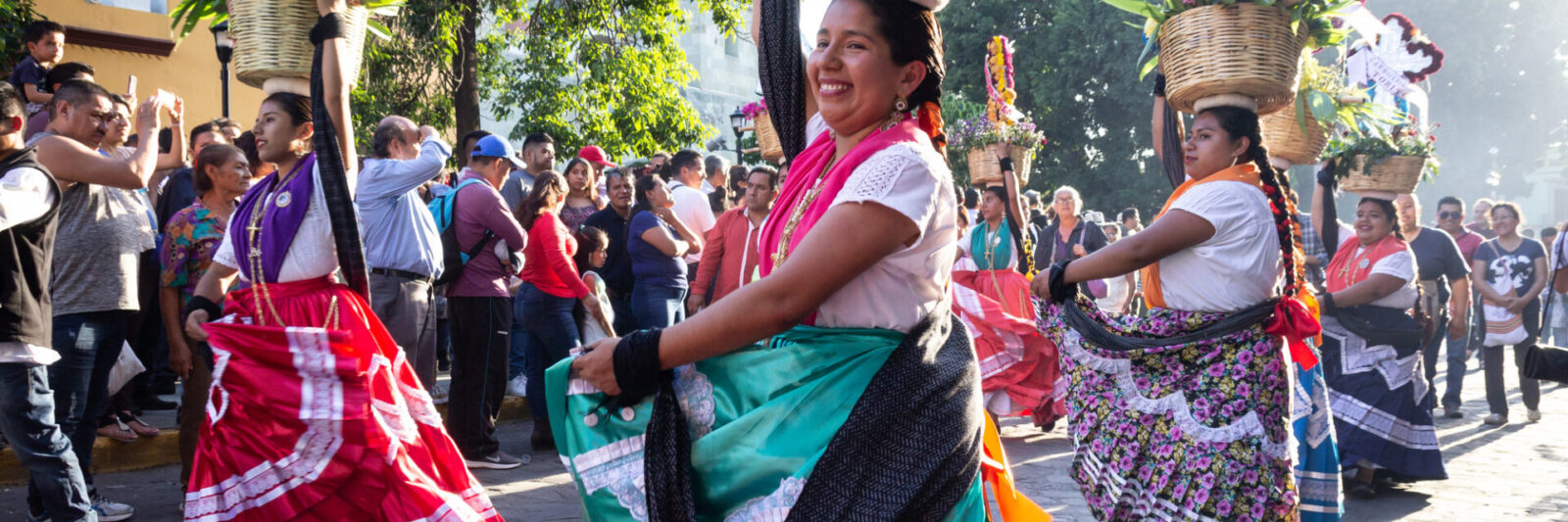


If you’re looking for something that will delight and surprise you, then look no further than the alebrijes, the most creative fantastic folk art animals. Created by the hands of many artists through time in Oaxaca, Mexico these creative designs can be found on everything from jewelry to furniture!
These colorful Mexican folk art sculptures are of fantastical animals. They are typically made from copal wood, which is then painted with bright colors and patterns. The origins of this art form has its origins in the state of Oaxaca, where they were first created by artisan Pedro Linares.
Read on to learn the origin of these mythical creatures…the alebrijes Mexico.
Alebrijes Mexico: History of the Alebrijes
To get a sense of history, like many things having to do with Mexico, you have to look to the Spanish conquistadors who conquered the Aztec Empire. Indigenous craftspeople shifted, in large part, to creating Catholic objects of saints, angels, crosses, and ornate altarpieces for colonial churches.
Native Mexicans still made masks for ritual dances and festivals, and Dominican friars used them as visual aids to theatrically act out parables from the Bible as a means to sway the natives to convert to Christianity.
How Did Alebrijes Start?
The painted, intricately carved animals of Oaxaca are a folk art style that was originated by Manuel Jiménez. His work was supported through sponsorship from an American merchant who helped him gain international recognition in painting and sculpting animal figurines.
His creative imagination brought to life whatever he was creating out of wood plaques or tiles which gave birth not only to other styles but also replicated copies like Pedro Linares’ “alebrije”.
Other carvers in the area developed their variations while still utilizing this basic design portrayal; the success of this art was largely attributed to how versatile these works were.
The art of alebrijes flourished in the small village of San Antonio Arrazola, the home of Manuel Jiménez. The original paper-mache art originated by Pedro Linares in 1936 was converted into creations in wood.
Today you can find his museum and workshop there where he houses incredible objects of art that are both real folklore mixed with imaginary indigenous culture.
The increase in tourists during World War II led to a boost in production for Oaxacan woodcarvers, who now create these pieces as one-of-a-kind souvenirs. The tradition has only been around 50 years but it quickly became popular due to its association with traditional Mexican culture and Mexico’s ancient history.

Alebrijes Mexico: How They Are Made
Wood carving is an ancient tradition that dates back to pre-Hispanic times. This craft involves using tools such as machetes, chisels, and knives in order to create figures from wood without technology like saws or drills.
The most popular wood for this type of work is copal which can easily be cut with just one stroke thanks to its softness but also has a lot of strength so it lasts longer than other materials.
As the carving is completed, it’s sanded smooth and left to dry. The wings/ tails etc., can be created in separate pieces so they don’t require much maintenance when traveling; this also helps reduce the weight of the figure.
The art of carving is a family affair. Generally, it’s the men who carve and the women who paint with bold colors to contrast against the plain backgrounds. They may also use ixtle fiber from maguey leaves.
Motifs for alebrijes mexico are constantly in flux, driven by the ever-changing tastes and creative minds of individual artisans. Most people simply refer to these figures as “motifs” or wooden sculptures with special powers that come from tonas/nahuals.
Nahuals are animal spirit guides within the Zapotec culture but the carvings themselves are usually referred to as alebrijes!
Alebrijes Mexico: What does the name mean?
The word “Alebrije” comes from the Spanish term “alegría” which means “joy” or “happiness.” Alebrijes are brightly colored and very fantastical (often imaginary) creatures.
The very first of this unique folk art ever created before Oaxacan woodcarvers fine-tuned it was attributed to Mexico City-born artist Pedro Linares. In 1936 he fell ill and had a feverish dream where strange zoomorphic creatures materialized in the dark forest chanting “ALEBRIJE…ALEBRIJE”.
By using his skills for papier maché renderings from paper and cardboard to craft large, vivid creatures that no one had ever seen before he caught the attention of a prominent gallery owner who marketed them.
This garnered so much recognition for Linares’ work that Diego Rivera started commissioning alebrijes from him which became celebrated throughout Mexico & abroad. All the publicity enabled Pedro Linares to take folk art tradition in a new direction.
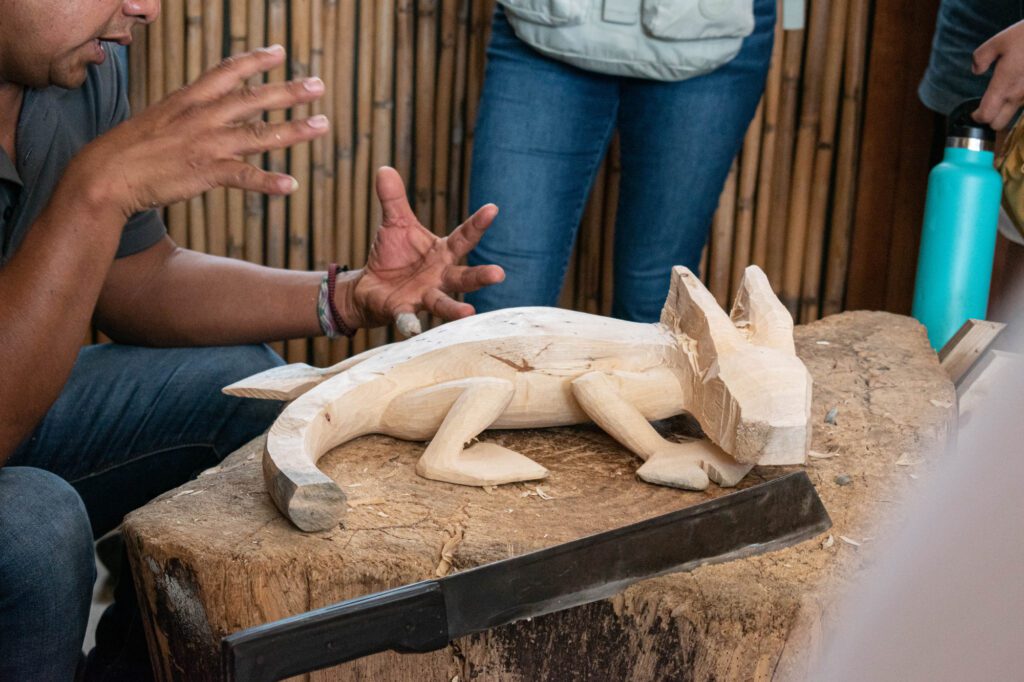
These colorful and creative creatures called alebrijes have allowed many families to live better lives in Mexico.
Woodcarving is one of these advancements that evidence society’s progression, with paved roads having become commonplace over time due to the popularity of this profession.
Creating alebrijes also allowed people to take pride in their own achievements and what they’re capable of especially when there were limited opportunities before.
If you’re looking for the perfect gift for someone an Alebrije should be on your list. Prices and quality widely among different pieces (depending on what exactly it is that you’re looking for).
Choosing an alebrije can be overwhelming; however there are some basic guidelines – if it suits your taste then go ahead and buy it! The beauty behind this tradition lies not only within its colors or intricate design–but also the uniqueness of every piece. They are truly all one of a kind folk art!
Next: The Top 22 Souvenirs from Mexico to stuff in Your Suitcase
Hi I’m Shannon!

Hi, I’m Shannon and I’m a Canadian who fell in love with Mexico on my first trip to Puerto Vallarta when I was a young adult.
That started a 30 year love affair with this country which led to marrying my Mexican husband and building a home in Mexico. And now I have even a stronger connection to this gorgeous and complex country.
